
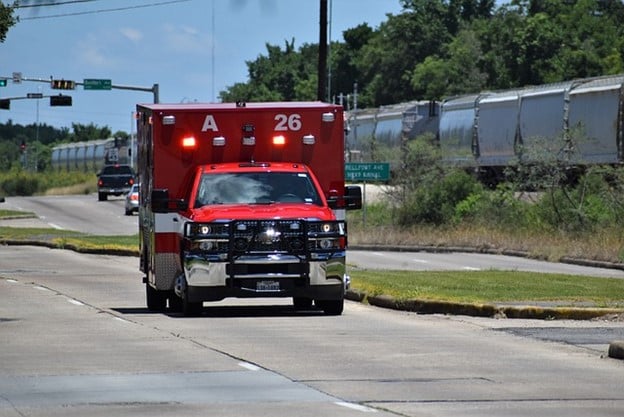
A Day in the life of an EMT could typically include
A day in the life of an EMT examines what do EMTs do, emphasizing their role as essential first responders in medical emergencies. A day in the life of an EMT unfolds as a series of critical moments where quick thinking and expertise can mean the difference between life and death.
Highlights and Focus Areas
Getting ready for the day
The first three tasks of your day are; arriving early, checking out the ambulance, and getting breakfast together as a team because everything in EMS is done as a team. As you greet your crew, ask how your partner is doing.
Being on standby
When in service, you and your partner wait, either at the base or in the truck, for calls to come in. As long as you remain near your truck, you will be able to respond to a call quickly. When a call comes in, you'll receive a phone call from a dispatcher, giving you the address and the nature of the call. The information you get is usually short and vague, but it gives you a rough idea of what to expect. The calls you respond to are usually not directly life-threatening. Paramedics respond to those calls. Since response times are very important in medical assist calls, you will get on the road as quickly as you can.
Knowing your city inside out
Be aware of street names in your city so that as soon as your 911 alarms ring you’re not stranded and know immediately where to go. Sometimes, but not always, you'll drive with lights and sirens. The decision is made based on the nature of the call and department policy.

Having complete knowledge of the situation
Have full knowledge of how the medical equipment works so that in a medical emergency you’re able to treat the patient and everything goes smoothly.

Assessing the patient
Once on scene, you'll make contact with the patient and begin assessment, and if the patient is unstable, provide emergency medical care that you are allowed to provide. When you're ready, you'll move them to the stretcher and transport patients to the hospital. At the hospital, you provide a report to the staff detailing the medical condition of the patient and how the injury came about.
After handling the case
After each call, you will disinfect the truck, replace any equipment you used up, and complete a patient emergency care report. This report will be recorded in case the incident was a crime and needs to be further investigated later on. After the report is completed, you notify dispatch that you're back in service, at which point they will either send you back to base or send you out to another call.
Preparing the next EMT
If you are sent back to base at the end of an extremely busy day, you will wash the truck, clean the floor, and turn in the keys. You will also explain to the next EMT what equipment you needed to use and how your day went.
A day in the life of an EMT | Daily Challenges
The life of an EMT (Emergency Medical Technician) is undoubtedly rewarding, but it also comes with its share of challenges. Here are some of the key challenges faced by EMTs:
High-Pressure Situations
EMTs often work in high-pressure and stressful environments. They must make quick decisions under pressure, especially during life-or-death situations, which can be mentally and emotionally taxing.
Erratic Work Hours
EMTs work in shifts, which can include nights, weekends, and holidays. The irregular work schedule can disrupt their sleep patterns and personal lives, making it challenging to maintain a healthy work-life balance.
Physical Demands
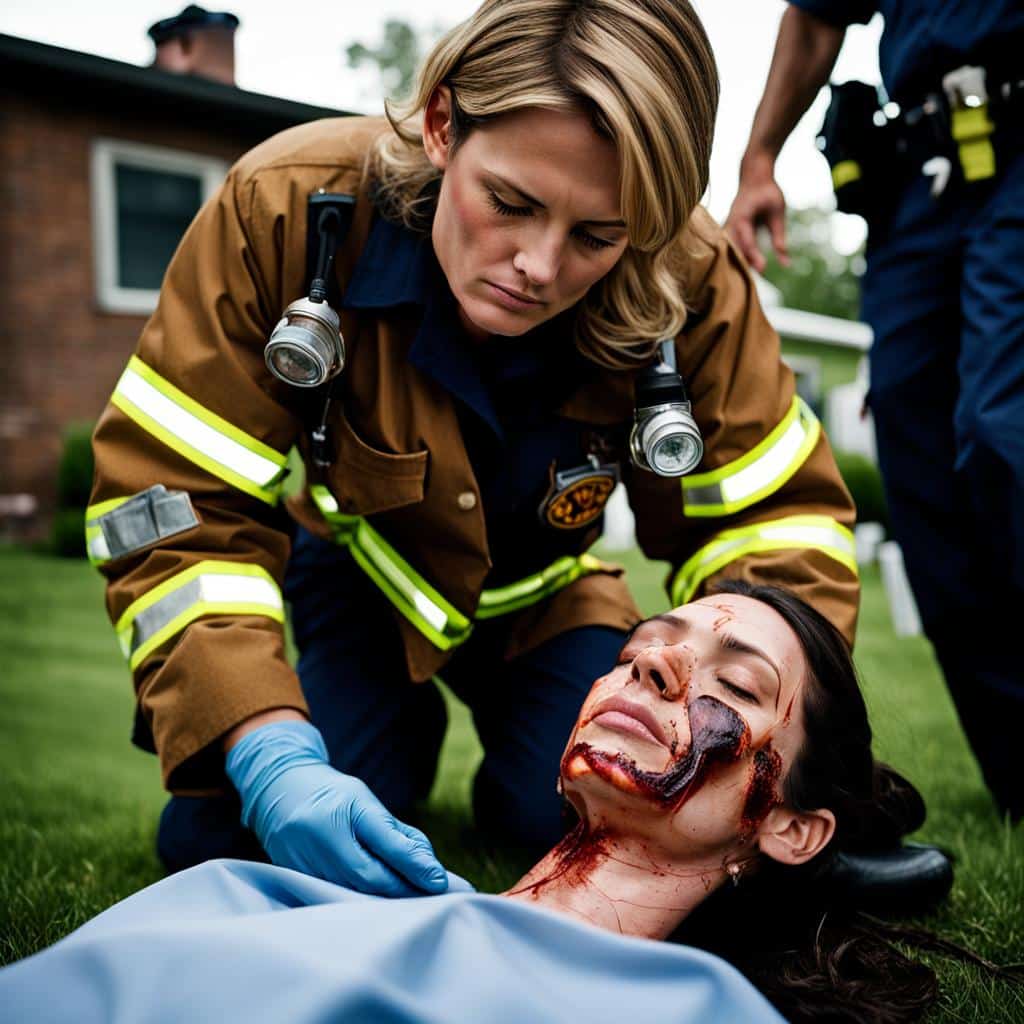
The job of an EMT is physically demanding. They often need to lift heavy patients, carry medical equipment, and work in various weather conditions. This physical strain can lead to fatigue and injuries if proper precautions are not taken.
Balancing Compassion and Professionalism
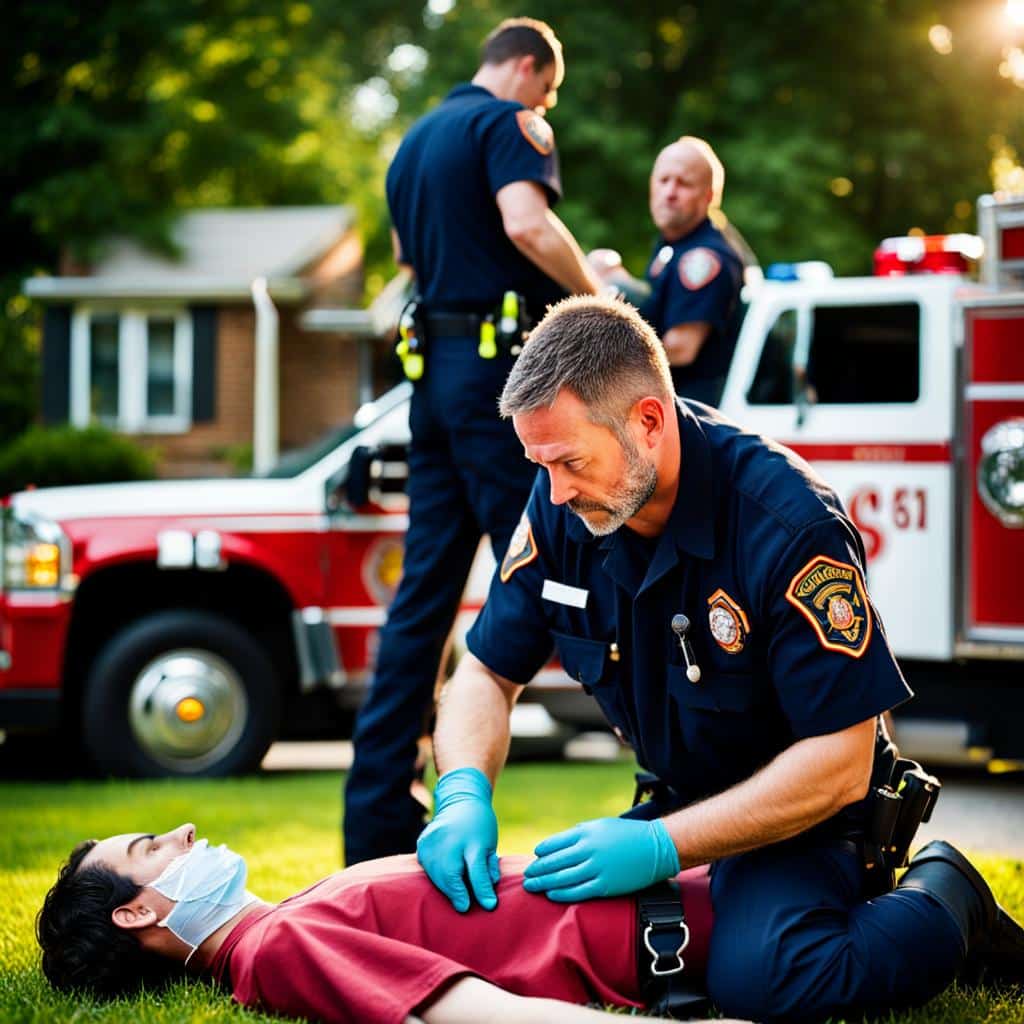
EMTs must balance their compassion for patients with maintaining a professional demeanor. While empathy is crucial, it can be emotionally draining if EMTs become too emotionally involved in every case. Despite these challenges, EMTs are dedicated professionals who make a significant difference in their communities. Their resilience, compassion, and commitment to helping others are fundamental traits that drive them to overcome these challenges and continue their vital work.
Tips to restore a healthy work life balance
As you can see 24 hours in a day rarely seem enough in the action packed day in the life of an EMT. This means that maintaining a healthy balance can be hard. Here are some tips to help restore work life balance:
- Take responsibility for the maximum hours that you are willing to work every week
- Recognize that overtime can cause fatigue and stress
- Know how to say no if you can’t fill that extra shift your supervisor asks you for
- Have a support system at work who can trade with you when you need a day off
- Take care of yourself by eating right and resting enough when possible
- Stay both physically and mentally fit. This is most important since your job involves carrying patients or dealing with traumatized patients and their family members.
You will spend your entire day running calls and waiting in service. Every call will put your training and skills to the test, challenging the reasons you chose to learn for this role. By the end of the day, you may not remember their names, but they will remember yours and how you were there when you were needed the most.
Understanding what do EMTs do reveals the incredible contributions they make every day to make the world a safer place. As the next generation of EMTs joins their ranks, the list of good deeds will continue to grow. Wait for that one call that is going to change how you see the world. And there will be countless success stories that reveal why you do what you do.
MissionCIT takes pride in offering a comprehensive Basic EMT Course that equips aspiring EMTs with the necessary skills and knowledge to excel in their profession.
MissionCIT provides Hybrid EMT Courses. These 160-hour performance-based courses prepare you to pass the NREMT exam and enter the world of pre-hospital care. The program includes:
- Fifty-One (51) interactive chapters that are always available online
- Two (2) weekly online (Zoom) facilitated discussions in a flipped classroom environment
- EMT Tech Bag and equipment for practicing and performing the necessary skills
- In-person skills sessions on Saturdays or Sundays depending on the location
- Plus, a final skills evaluation.
- Courses are approved by CTOEMS and conform to NREMT, NHTSA and AHA guidelines.
- 46 Study Guides and 23 Skills Study Guides

We understand the importance of accommodating diverse schedules. That’s why we offer courses that fit your timeline, whether you prefer a comprehensive 12-week program, a more accelerated 7-week course, or an intensive 4-week option. With our adaptable schedules, you can learn at your own pace, ensuring that your educational journey aligns seamlessly with your lifestyle and commitments.
Related Posts
How To Choose EMS Recertification In 7 Simple Steps
How to Choose EMS Recertification in 7 Simple Steps Choose an EMS recertification course for your EMR, EMT, or paramedic
How to Choose EMS Training for Shift Staff in 7 Steps
How to Choose EMS Training for Shift Staff in 7 Steps Choose EMS training for shift staff by checking course