

Accessing Opioid Settlement Funds for Fire Departments
The opioid epidemic has brought havoc to communities throughout the United States, placing an unprecedented burden on our first responders, particularly fire departments. In order to address this crisis, substantial Opioid Settlement Funds have been made available, offering fire departments a unique opportunity to combat this national emergency. As a result, this article is designed to serve as a comprehensive guide for fire departments, outlining the essential steps to access these vital funds.
1. Identifying Opioid Settlement Funding Key Contacts
The first crucial step in accessing opioid settlement funds is identifying the key contacts responsible for their distribution. Hence, these funds are typically administered at the state and local levels, underscoring the importance of reaching out to the appropriate authorities. So to begin your journey, initiate contact with your state’s attorney general’s office or the designated agency overseeing the funds. In addition, you can find the contact details for your state’s attorney general’s office here.
2. Utilizing Opioid Settlement Funds Effectively
Opioid settlement funds offer flexibility in their usage, empowering fire departments to make a meaningful impact on their communities. Common allowable uses include:
Medication-Assisted Treatment:
Funding to support programs that provide medication-assisted treatment for individuals struggling with opioid addiction.
Mental Health Services:
Allocation of funds to enhance mental health treatment services and capacity building within your fire department.
Screening and Referral Services:
Supporting initiatives that identify individuals at risk, provide intervention, and facilitate referrals to appropriate services.
Training and Support:
Enhancing the capabilities of your emergency services professionals to respond effectively to opioid overdoses and related events.
Community Outreach:
Developing educational and prevention programs, with special attention to youth, criminal justice-involved populations, and pregnant women.
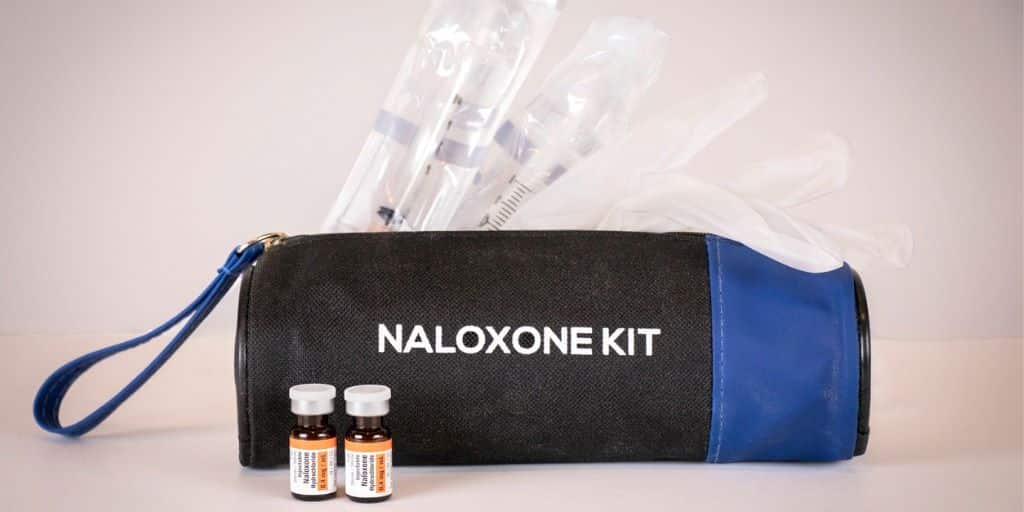
Naloxone Access:
Acquiring naloxone and implementing opioid-reversal interventions to save lives.
Prescribing Practice Revisions:
Supporting initiatives to improve prescribing practices and mitigate opioid misuse.
3. Understanding Fund Allocation in your state
While making informed decisions about accessing and utilizing opioid settlement funds, it’s essential to have a comprehensive understanding of how your state is distributing these resources. While this knowledge can help you tailor your proposals and initiatives effectively. You can learn more about your state’s approach to spending the opioid settlements through the statewise information on nashp.org or the statewise guides available at opioidsettlementtracker.com
4. Crafting Your Proposal
If your state is awarding grants, your department must submit a well-crafted proposal that aligns with the opioid settlement fund’s objectives to secure funding. As a result, your proposal should encompass:
Needs Assessment:
Clearly outline the specific needs of your fire department regarding the opioid epidemic's impact on your community.
Project Details:
Describe your project's goals, objectives, budget, and timeline. Be precise and realistic in your planning.
Alignment with Fund Goals:
Ensure your proposal aligns with the stated goals and priorities of the opioid settlement fund. Therefore, emphasize how your project will contribute to opioid prevention, treatment, or community support.
Impact Focus:
Highlight the potential impact your project will have on addressing opioid-related challenges in your community.

While navigating the complex landscape of accessing and utilizing opioid settlement funds can be challenging. At MissionCIT, we are dedicated to assisting you in preparing a compelling proposal and navigating the intricacies of fund distribution. By leveraging our expertise, you can maximize the impact of your fire department’s efforts in addressing the opioid crisis within your community.
Conclusion
Accessing opioid settlement funds represents a significant opportunity for fire departments to make a substantial difference in combating the opioid epidemic. While understanding who to contact, crafting a well-defined proposal, and knowing how the funds can be used are keys to your success. Remember, organizations like MissionCIT are readily available to walk you through this process, ensuring that your department’s efforts have the greatest possible positive impact. Hence, embrace this opportunity to be part of the solution to one of the nation’s most pressing health crises.