

Resilient Together: Navigating the "New Normal"

by Scott Appleby, Emergency Management Director, MissionCIT (Retired Emergency Management, Homeland Security, Emergency Communications Director, City of Bridgeport, CT)

Joining MissionCIT: Continuing the Mission

Now that I’ve hung up the badge, turned off the daily radio and get to sleep longer, I’ve joined forces with MissionCIT to join a team of professionals that care and want you to succeed with a defined partnership.

The View from the Hot Seat: Real Preparedness is Built on Handshakes, Not Titles

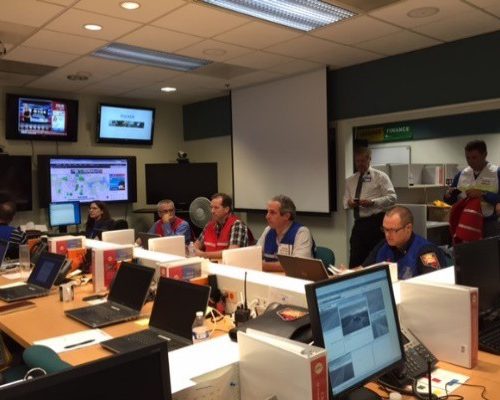
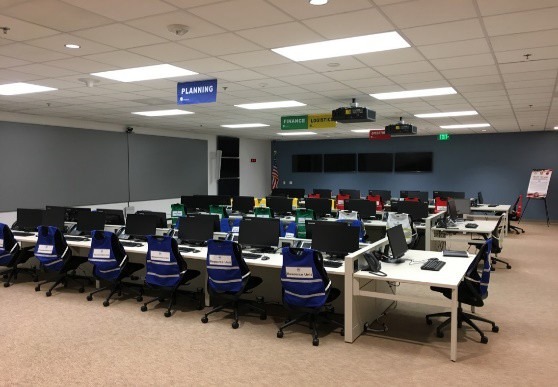
If you’ve spent more than a week in Emergency Management, whether you’re in a coastal town in Connecticut, a mountain village in Vermont, or a bustling hub in the Tri-State, you know the smell of the Emergency Operations Center (EOC) at 3:00 AM. It’s a mix of industrial floor cleaner, stale coffee, and a hint of collective adrenaline.

For thirty years, that EOC was my home away from home. Let’s be honest, sometimes it felt more like my actual home than the one with my mortgage. While the rest of the world is boarding up windows for a Nor’easter or hunkering down for a blizzard, we’re kissing our family goodbye. We’re wondering if the sump pump at our house will hold while we’re coordinating a city-wide response.

There is a unique stress in managing a jurisdiction-wide crisis while your phone buzzes with a message from your child. They say the power just went out at home, they’re scared, and they want you there. If you don’t learn to breathe deep through the chaos, you’ll break. You must also learn to laugh when the third backup generator fails or the statewide radio patch glitches. Humor isn’t a sign of disrespect; it’s the oxygen mask that keeps us conscious to do the job.

Facing the Rotating Door of Hazards

In our corner of the country, we don’t just deal with one thing, we face a rotating door of hazards. The winter grinders, those blizzards that paralyze our transit and schools. The coastal and river threats from hurricanes and flash flooding that turn streets into rivers and push infrastructure to its limits. However, the most challenging aspect is the human factor, including incidents related to school safety, public health emergencies, and large-scale special events.

One of the greatest struggles I faced was the “Us versus Them” mentality. In the past, emergency management was often viewed as the folks who simply handed out vests or were a friend of the Chief Elected Official, and this perception may persist. But real disaster resilience doesn’t happen in a vacuum, especially in the New England/Tri-State area, where home rule and regional cooperation are constantly in tension. The emergency management director needs to be able to understand everyone.

Understanding the Whole Community

The first responders (911/Fire/Police/EMS) are the muscle, but without coordinated emergency management, you’re working in the dark. As emergency management directors, we must speak their language long before the bells ring and learn their traditions.

The Chief Elected Officials (new and tenured) carry the weight of public perception. Our job is to give them the tools to lead. This helps ensure they don’t look like deer in the headlights when cameras turn on after a major flood.

The public health and school leaders aren’t “secondary” concerns. They care for some of the most cherished human beings in our community. When a school is impacted by an active threat or a community health crisis hits, the whole system stalls. The entire community is affected. That is why they are integral to the planning table.

And finally, the socially vulnerable matter too. If you haven’t integrated the needs of the elderly or those without transportation into your primary plan, you don’t have a plan. You have a hope without a strategy.

Everyone plays a part in your and the community’s success. If we are only working with a few and not the “all,” you will fail and create risks. It is imperative to work as a team and respect what each entity brings to the table.

Titles Do Not Manage Disasters, People Do

I’ve seen plenty of folks walk into this field with a fancy title, political background, and a pristine uniform. Many wouldn’t know a resource request from a grocery list. You cannot lead a REPT or a COG if you don’t know the community, respect their struggles, and have any experience.

Just like you would not hire an attorney because they can pick winners on Court TV, you pick them for their experience. This should be the focus of jurisdictions. It’s not a stipend role for a higher-ranking official or someone who can get the elected official’s votes. It should be the person who will help save lives and protect property in the jurisdiction.

As an emergency management director, you need to know which bridges ice over first. You need to know which principal is hesitant to activate the plan. You also need to know which one pulls the trigger early. This isn’t office work or a political no-show job. This is boots-on-the-pavement work.

Experience isn’t just about how many disasters you’ve seen. It’s about putting in the foundational work on a sunny Tuesday in October. That way, when a hurricane turns the world sideways in August, the team knows exactly who is in charge and why

Sweat Equity and Practical Planning

The hard truth is that most jurisdictions can overcome almost any challenge, but only if leadership puts in the sweat equity before the blue skies turn gray. With limited staff and an ever-increasing daily workload, emergency management must move away from a “check-the-box” mentality.

Plans only work because they have been tested, retained, and applied long before a real incident occurs. This is why I chose MissionCIT and why I believe in what they are accomplishing: providing the tools necessary for municipal and town government, hospitals and healthcare, first responders, corporate teams, education systems, childcare providers, industry, community groups, regional emergency teams, and event venue/planning leadership to become truly all-hazards resilient.

Building Programs from the Ground Up

I didn’t just study Emergency Management back 30 years ago when it wasn’t taught in universities; I built a program from a three-ring binder that held the door open and a dusty filing cabinet with one conference table for six, into a regional EOC powerhouse. I’ve sat in the seat during incidents where the local papers predicted our total collapse and elected officials thought it would be the end of their leadership. We succeeded, and they kept their seats because we didn’t rely on luck. We succeeded because of this:

  • Foundational Planning: Plans that actually work for the unique geography of the Northeast.
  • Real-Life Training: Breaking things in a controlled environment so they don’t break during a real-world event.
  • The Collaborative Approach: Making sure the Police Chief, the School Board, and the Regional Planning Team are all reading from the same playbook.

Preparedness Built by Those Who Have Been There

After stepping away from municipal service and hanging up the daily radio, I was intentional about what came next. I wasn’t interested in consulting for the sake of consulting or lending my name to something I didn’t believe in. I joined MissionCIT because they share the same philosophy I lived by for three decades: preparedness only works when it’s practical, tested, and built around real people, not binders on a shelf. 

MissionCIT is made up of practitioners who have sat in the same chairs, faced the same late-night decisions, and carried the same responsibility for lives, property, and public trust. This partnership allows me to continue doing what matters most—helping communities strengthen their foundation before a crisis hits and supporting leaders when it matters most.

MissionCIT

What We Can Do Together

We can help your jurisdiction and your teams through a complete community approach by helping:

  • Build a “Team-First” Foundation: Breaking down silos between departments.
  • Modernize Your Preparedness: Infusing your plans with the hard-won lessons of 30 years of experience and ensuring they work through training and exercises.
  • Empower Your Leadership: Moving beyond the title and into true, experienced command and leadership by focusing on the issues the positions will face and how to be confident in the chaos.

All of this is accomplished through planning, training, and exercises based on your community and your capabilities.

As I said, we’ve been there for the “before,” the “during,” and the long “after,” when the coffee is cold and the community wants answers. Let us help you ensure that when your big test comes, the headline isn’t about the disaster—it’s about the incredible recovery you led.

MissionCIT Emergency Management Services


At MissionCIT, we help small municipalities build strong, practical emergency management programs even when resources are limited. We work directly with municipalities to create Emergency Operations Plans tailored to your unique risks, staff, and facilities. Our team also designs realistic exercises and tabletop simulations so local responders can practice, identify gaps, and gain confidence in real-world scenarios. By guiding communities on prioritizing risks, defining roles, fostering local involvement, and coordinating with neighboring municipalities and agencies, MissionCIT ensures your town is prepared for emergencies of any size. With our support, small communities can implement actionable, low-cost solutions that protect lives, strengthen resilience, and build a culture of preparedness.

Learn more about our Emergency Management services and how we can help you build a stronger, more resilient community: https://missioncit.com/emergency-operations-plan/


Email us at [email protected]

Or call us at +1 203-649-5090

Fill out the form below, and we will send you an email with the whitepaper.
Mandated Reporting Whitepaper
Name
Name
First
Last