

The Volunteer Fire Service Evolution: Navigating the Shift to Combination Departments
For decades, the backbone of fire protection in many communities, particularly those in rural and suburban areas, has been the dedicated volunteer fire department. These unsung heroes, juggling their regular lives with the demanding call to protect their neighbors, have provided invaluable service and a sense of community spirit. However, the landscape is shifting. Challenges associated with population growth, coupled with evolving demands on fire services, is forcing many communities to grapple with a fundamental question: Is it time to transition from an all-volunteer to a combination fire department?
This transition isn’t a simple upgrade. It’s a complex process with profound implications for budgets, community risk assessment, training, and the very fabric of the fire department. Before diving headfirst, a thorough understanding of the key considerations and growth solution is paramount.
The Population Growth Catalyst: Why Change is Often Necessary
As a matter of fact, population growth is often the primary driver behind this shift. As communities expand, the demands on the fire service increase exponentially. More homes mean more potential fires. Increased traffic brings a higher risk of motor vehicle accidents. New businesses and industrial facilities introduce new hazards. With this in mind, the challenges associated with population growth often require innovative solutions.
Suddenly, relying solely on a volunteer fire department becomes increasingly difficult. The availability of volunteers during daytime hours, when many are at work, becomes stretched. Response times may lengthen, impacting survivability and property loss. The increasing complexity of firefighting, requiring specialized training and equipment, further burdens the volunteer force, who may struggle to keep up with the growing demands alongside their personal commitments.
Essentially, the “good old days” of a handful of dedicated volunteers handling the occasional barn fire simply become unsustainable. That’s why implementing growth solutions becomes a necessity.

Key Considerations for a Successful Transition
Transitioning to a combination department requires careful planning and execution. Ignoring the following considerations can lead to significant challenges:
It’s crucial to conduct a thorough community risk assessment. Don’t rely on gut feelings. Analyze call volume, types of incidents, response times, population density, and projected growth. Use this data to determine the optimal number of paid personnel needed to supplement the volunteer force. Present this data clearly to the community and governing bodies to justify the investment. This evidence-based approach helps build trust and ensures resources are allocated effectively. A community risk assessment will help determine how to best utilize resources in your community.
Furthermore, financial planning and budget allocation are paramount. This is often the biggest hurdle. Paid firefighters require salaries, benefits, ongoing training, and specialized equipment. The transition will necessitate a substantial increase in the fire department budget. Because of that, administrators need to explore various funding mechanisms, including property tax increases, grants, impact fees from new developments, and regional collaborations. Present a transparent and realistic budget to the community, demonstrating the long-term value of improved fire protection. Don’t underestimate the importance of clear financial communication.
Personnel & Training
Defining the roles and responsibilities of both paid and volunteer firefighters is critical. Avoid creating a “us vs. them” mentality. Develop a structured organizational chart that outlines the chain of command and ensures seamless integration of both groups. Consider establishing a volunteer incentive program to encourage continued participation. Clarity in roles and responsibilities fosters collaboration and prevents conflict.
In equal importance, training and certification must be standardized. To accomplish this, maintain consistent training standards for both paid and volunteer personnel. Ensure all firefighters meet minimum certification requirements and receive regular training on modern firefighting techniques, hazardous materials response, and emergency medical services. Invest in updated equipment and facilities to support the enhanced training needs. A well-trained force is a safer and more effective force.
Recruitment & Communication

Additionally, recruitment and retention are essential for both paid and volunteer firefighters. Attracting and retaining qualified paid firefighters is crucial. Develop a competitive compensation and benefits package. Create a positive work environment that fosters professionalism and teamwork. Implement a robust recruitment strategy that targets qualified candidates and promotes the benefits of working for the department. For volunteers, focus on incentives, recognition programs, and flexible scheduling options to maintain their involvement. As proven, this is one of the key growth solutions when a volunteer fire department transforms into a combination department.
Likewise, communication and community engagement are key to a successful transition. Transparency is essential. Keep the community informed throughout the transition process. Hold public meetings to address concerns and answer questions. Highlight the benefits of a combination department, such as faster response times, improved training, and enhanced emergency medical services. Emphasize that the goal is to supplement the volunteer force, not replace it.
Legal Implications & Implementation
Comparatively, legal and regulatory compliance cannot be overlooked. Ensure the transition complies with all applicable federal, state, and local laws and regulations. Review labor laws, employment contracts, and workers’ compensation requirements. Consult with legal counsel to ensure a smooth and legally sound transition.
Finally, consider a phased implementation. Avoid making drastic changes overnight. Implement the transition in phases, starting with a small number of paid personnel and gradually increasing the staff as needed. This allows the community and the fire department to adjust to the changes and address any unforeseen challenges. A gradual approach minimizes disruption and allows for adjustments along the way.
The Volunteer Legacy: Acknowledge and Preserve
It’s crucial to acknowledge and honor the contributions of the volunteer fire department. They have dedicated countless hours to protecting their community, often with little or no compensation. Acknowledge their service through recognition ceremonies, awards, and opportunities for continued involvement in the department.
The transition to a combination department should not be viewed as a dismissal of the volunteer spirit. Instead, it should be seen as an evolution, allowing the community to maintain the best aspects of both volunteer and career firefighters, as part of one professional organization. The goal is to create a more robust and resilient fire service that can meet the ever-increasing demands of a growing community, ensuring the safety and well-being of its residents for years to come. In the end, the transition isn’t just about moving from burgers at the station to burnouts on the call; it’s about building a stronger, more capable fire service for the future.
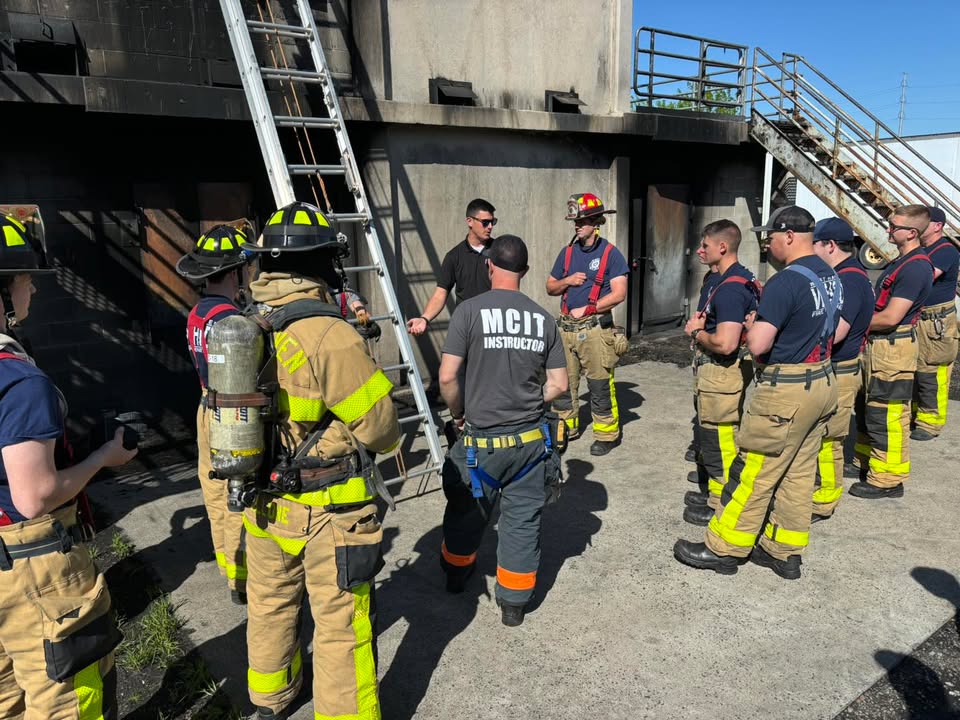
MissionCIT provides Fire Department Strategic Planning to help organizations enhance capabilities, implement best practices, and better serve their community. We offer tailored strategic plans developed through comprehensive assessments, stakeholder engagement, and collaborative visioning to create a clear roadmap for the future. MissionCIT’s services encompass goal setting, action planning, implementation support, and ongoing evaluation, addressing key areas like service delivery, emergency response, training, and resource management. By partnering with MissionCIT, Fire Departments can develop a strategic plan that positions them for long-term success and enables them to better serve their communities.
Email us at [email protected]
Or call us at +1 203-649-5090