
Flood Awareness: Strengthening Community Preparedness
by Scott Appleby, Emergency Management Director, MissionCIT (Retired Emergency Management, Homeland Security, Emergency Communications Director, City of Bridgeport, CT)
The Growing Risk of Flooding
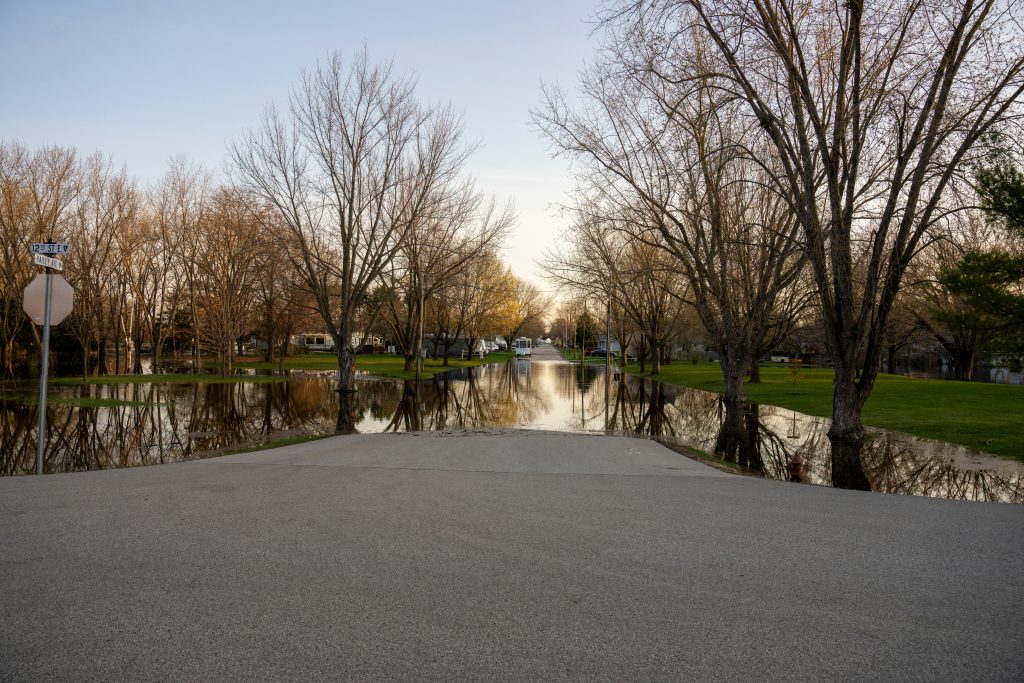
Floods are the most common natural disaster in the United States, affecting communities in every region of the country. They are not limited to coastal areas or locations near major rivers. Heavy rainfall, overwhelmed drainage systems, rapid snowmelt, and severe storms can cause flooding almost anywhere. Flood Awareness Month serves as an important reminder that preparation, planning, and education are essential to reducing risk and protecting lives and property.
Understanding Your Flood Risk
Many people assume that if they do not live in a designated high-risk flood zone, they are safe. However, a significant number of flood insurance claims come from properties located outside of high-risk areas. Reviewing local flood maps, assessing drainage patterns around buildings, and evaluating historical flooding trends can provide valuable insight into potential vulnerabilities.
Understanding floodplain designations, local stormwater capacity, and regional weather patterns helps individuals and organizations make informed decisions about mitigation and insurance coverage. Awareness is the foundation of preparedness.
Taking time to conduct a formal risk assessment and consulting with local emergency management officials can further clarify exposure and identify practical mitigation strategies.
Preparedness at the Individual Level
In our corner of the country, we don’t just deal with one thing, we face a rotating door of hazards. The winter grinders, those blizzards that paralyze our transit and schools. The coastal and river threats from hurricanes and flash flooding that turn streets into rivers and push infrastructure to its limits. However, the most challenging aspect is the human factor, including incidents related to school safety, public health emergencies, and large-scale special events.
One of the greatest struggles I faced was the “Us versus Them” mentality. In the past, emergency management was often viewed as the folks who simply handed out vests or were a friend of the Chief Elected Official, and this perception may persist. But real disaster resilience doesn’t happen in a vacuum, especially in the New England/Tri-State area, where home rule and regional cooperation are constantly in tension. The emergency management director needs to be able to understand everyone.
Organizational and Municipal Responsibility
Organizations and municipalities have an even greater responsibility during Flood Awareness Month. Emergency operations plans should be reviewed and updated regularly. Coordination between public works, emergency management, fire services, law enforcement, and healthcare providers is critical. Infrastructure assessments, including stormwater systems and drainage capacity, can identify weaknesses before a storm exposes them. Cleaning away debris from storm drains is a must.
Training exercises and tabletop scenarios help ensure that leadership teams understand their roles and can respond efficiently under pressure. Proactive planning strengthens continuity of operations and supports faster recovery.
The Importance of Communication
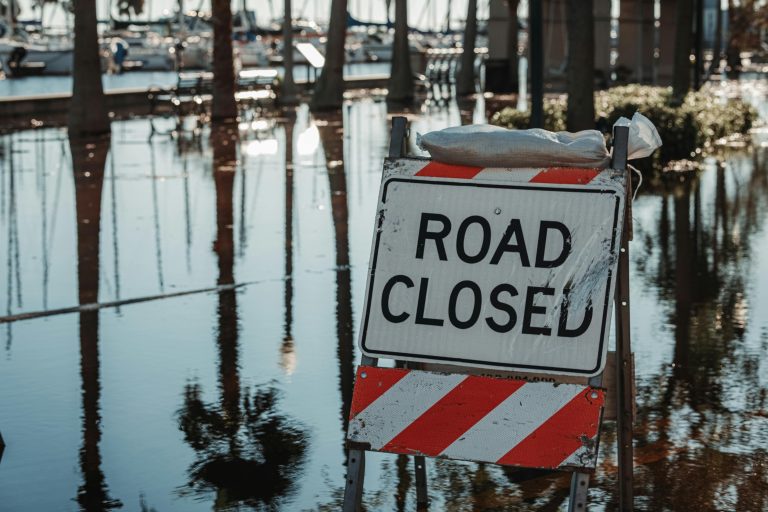
Clear, consistent communication before, during, and after a flood event builds public trust and encourages compliance with safety directives. Residents need to understand the dangers of driving through flooded roadways, the importance of heeding evacuation orders, and the proper steps for safe reentry after waters recede.
Public awareness campaigns and community outreach efforts reinforce these messages and contribute to a culture of preparedness.
Strong communication strategies also help reduce confusion and ensure a coordinated response across the community. Timely updates from trusted sources can make a critical difference in protecting lives and property.
Turning Awareness Into Action
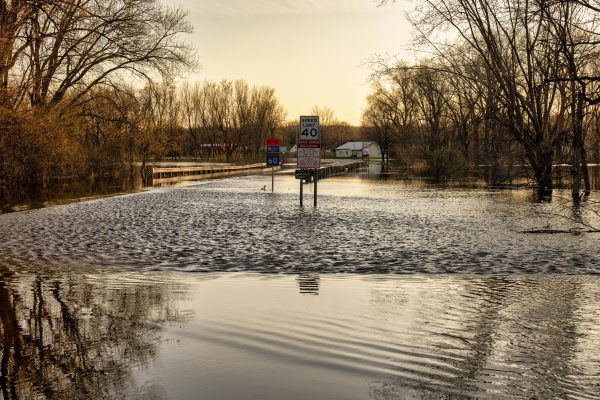
Flood Awareness Month is not about creating fear. It is about fostering responsibility and resilience. Preparation reduces loss, accelerates recovery, and strengthens communities. Every year brings new weather challenges, and changing climate patterns continue to influence storm intensity and rainfall frequency. Proactive planning is no longer optional; it is essential.
As this month encourages reflection and action, take the opportunity to review plans, assess vulnerabilities, and engage your community in preparedness efforts. Whether you are a homeowner, business leader, or public safety professional, your actions today can prevent devastation tomorrow. Flood resilience is a shared responsibility, and awareness is the foundation on which it is built
MissionCIT Emergency Management Services
At MissionCIT, we help municipalities, corporations, healthcare agencies, educational institutions, and event/venue operators build strong, practical emergency management programs even when resources are limited. We work directly with your business to create Emergency Operations Plans tailored to your unique risks, staff, and facilities. Our team also designs realistic exercises and tabletop simulations so local responders can practice, identify gaps, and gain confidence in real-world scenarios. By guiding communities on prioritizing risks, defining roles, fostering local involvement, and coordinating with neighboring municipalities and agencies, MissionCIT ensures your town is prepared for emergencies of any size. With our support, small communities can implement actionable, low-cost solutions that protect lives, strengthen resilience, and build a culture of preparedness.
Learn more about our Emergency Management services and how we can help you build a stronger, more resilient community: https://missioncit.com/emergency-operations-plan/
Email us at [email protected]
Or call us at +1 203-649-5090