

The Unchanging Core: How Modern Tools Uphold Timeless Firefighting Values
The clang of the station bell, the urgent surge of adrenaline, the unwavering commitment to run towards danger when every instinct screams to retreat – these are experiences woven into the very fabric and core values of the fire service. For generations, the calling has remained fundamentally the same: to protect, to rescue, to serve. While the landscape of emergencies evolves, and the tools at our disposal transform with breathtaking speed, the soul of the firefighter endures. We stand as a testament to the fact that some things, the most important things, are timeless.
At the heart of every individual who answers this call, irrespective of the decade or the technology they carry, lies an unchanging core. It’s a constellation of virtues that define our profession: Courage in the terrifying face of roaring flames and unseen hazards; an unshakeable Duty to safeguard lives and preserve property against overwhelming odds; a profound spirit of Sacrifice, understanding that the needs of the community and our comrades often supersede our own; and the unbreakable, almost sacred, bond of Brotherhood/Sisterhood. These are not mere aspirational words; they are the operational constants, the non-negotiable tenets that forge our identity and guide our actions.
Advancing Our Core Values
The critical conversation we must continually engage in is not whether these foundational values will erode or change. They are too deeply ingrained, too intrinsically human for that. They won’t. The pivotal question, the one that demands our constant attention and thoughtful deliberation, is this: How can the advancements of our modern age better enable us to live out these timeless values on today’s increasingly complex and dynamic fireground? Technology, innovative procedures, and new approaches are not destinations in themselves. They are, and must always be, potent instruments, powerful means to more effectively, more safely, and more profoundly embody our deepest, most cherished commitments.
Let us delve deeper into how specific modernizations directly serve and amplify these traditional, unshakeable values.
Brotherhood and Sisterhood: Forged Anew with an Unseen Shield of Technology
Brotherhood/Sisterhood is a defining fire service characteristic—a silent understanding and unwavering trust. Modern Self-Contained Breathing Apparatus (SCBA) technology powerfully embodies this principle. Today’s SCBAs are integrated life-support systems, far beyond mere air tanks. Features like built-in Personal Alert Safety Systems (PASS) for downed firefighters, real-time air telemetry broadcasting cylinder pressure, and clear voice communication cut through fireground chaos. These aren’t just conveniences; they are tangible extensions of our commitment to mutual protection. They enable closer monitoring, anticipation of needs, and faster reactions when a team member is in peril, reinforcing this vital bond.
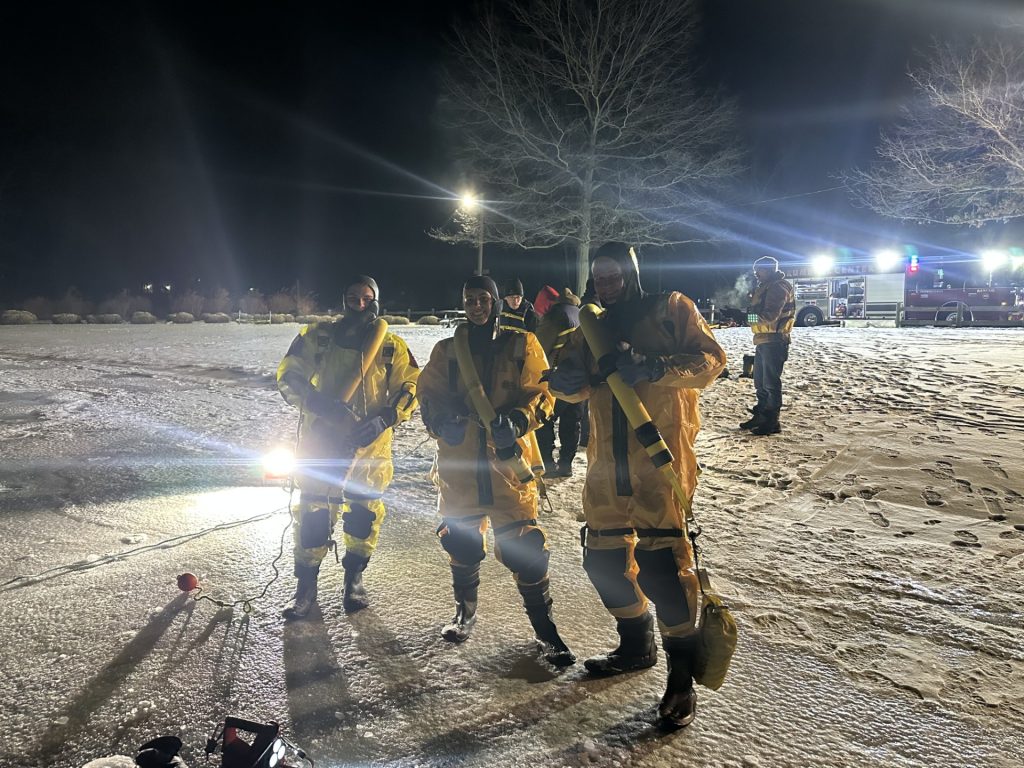
Sophisticated accountability systems further amplify this. These systems have evolved, ranging from simple tag lines of old to modern digital command boards and radio-frequency identification (RFID) trackers. Knowing crucial details is paramount: who is where, their assignment, and how long they’ve operated in hazardous areas. These systems aren’t about “big brother” oversight. Instead, they focus on coordinated safety. This ensures no one gets left behind. PAR checks become more accurate. And rapid intervention teams can be deployed with precision when needed. The psychological comfort this brings is significant. Simply, firefighters know these systems are operational. They know their team and command actively monitor their status. This allows them to focus more intently on the task at hand, trusting this technological web of safety underpins their every move. It’s brotherhood/sisterhood, digitized and deployed for enhanced survivability.
Duty's Call: Answered with Sharper Vision and Deeper Insight
Our fundamental Duty to protect life and property demands not just bravery, but also intelligence, efficiency, and precision. Our duty requires us to make critical decisions under extreme pressure, often with incomplete information. Thermal Imaging Cameras (TICs) have revolutionized our ability to fulfill this duty. Imagine the pre-TIC era: searching a smoke-filled room was a painstaking, often blind, process. Today, a TIC allows a firefighter to “see” through the blinding smoke, quickly identifying the heat signatures of trapped victims whom we might otherwise tragically overlook, or locating the hidden seat of the fire, enabling a more targeted and effective attack. This isn’t merely about speed; it’s about an exponentially increased chance of a successful rescue and a more rapid mitigation of the incident, minimizing property damage and risk to occupants and firefighters alike.
But the technological enhancement of our duty extends further. For example, consider Unmanned Aerial Systems (UAS, or drones). These provide invaluable aerial reconnaissance over large-scale incidents. They offer incident commanders a bird’s-eye view, which informs strategic decisions. Think also of sophisticated pre-planning software. This puts critical building information, hydrant locations, and hazard data directly at our fingertips while en route to a call. These tools don’t diminish the human element of firefighting; they augment it. They provide the clarity and data needed to perform our duty with greater precision and informed action. This ultimately leads to better outcomes. Every piece of information that helps us make a smarter, faster, safer decision directly enhances our ability to serve.
Saving Lives: Expanding Our Capacity for Compassion and Care
At the very core of our mission is the profound, innate desire to save lives. While fire suppression is a critical component, the role of the modern firefighter has increasingly expanded to encompass a significant emergency medical service (EMS) responsibility. The evolution in medical training and equipment available to first responders has been nothing short of transformative. From the basic first aid of yesteryear, many departments now operate at Advanced Life Support (ALS) levels, with firefighters cross-trained as paramedics. The presence of defibrillators (AEDs) on virtually every front-line apparatus, the ability to administer life-saving drugs, advanced airway management techniques, and sophisticated patient monitoring equipment have drastically increased our capacity for effective, immediate patient care.
This isn’t a departure from our traditional role; it’s a powerful extension of our commitment to preserving life in all its forms. When we arrive on the scene of a medical emergency, a vehicle collision, or even a fire from which we have rescued victims, our enhanced medical skills mean we can provide a higher level of intervention. We stabilize patients and improve their chances of survival before they even reach a hospital. This expanded capability directly reflects our value of saving lives, equipping us with the tools and knowledge to make a profound difference in those critical first few minutes. We leverage medical science to uphold one of our most sacred duties.
Resilience and Sacrifice: Sustaining the Flame Within Through Holistic Wellness
The spirit of Sacrifice in the fire service is often seen as a single, heroic act. But true sacrifice is also about long-term commitment – it means dedicating a career to a physically and emotionally demanding profession. This requires enduring resilience. Modern approaches to firefighter fitness are vital, and increasingly, mental wellness initiatives are also crucial. Both help uphold our ability to make these sustained sacrifices. Physical fitness programs are no longer just about passing an annual test. They aim to build the strength, endurance, and cardiovascular health necessary for arduous tasks. This allows firefighters to perform safely and effectively. It also reduces the risk of injury and cardiovascular events, which are a leading cause of line-of-duty deaths.
The growing emphasis on mental wellness is equally critical. Cumulative stress from traumatic calls, demanding shift work, and the job’s inherent dangers all take a significant toll. Initiatives like peer support teams and access to culturally competent mental health professionals are vital. Stress management training and efforts to de-stigmatize seeking help are also key. These are not “soft” additions; they are essential. They build and maintain the mental fortitude required for a long, healthy career. By investing in our physical and mental well-being, we ensure we remain fit for duty. This helps us weather the profession’s storms and support our comrades. This proactive, holistic approach to wellness is a commitment to sustained sacrifice. It ensures we can continue to serve our communities effectively. It also means we can return home safely to our families—not just after one call, but after a lifetime of them.
The Litmus Test: Technology as an Empowerment of Timeless Ends
This brings us to a crucial, guiding principle for navigating the currents of modernization. Every piece of new equipment, every proposed procedural change, must be subjected to a rigorous litmus test: Does this help us to be more courageous, more dutiful, more capable of sacrifice, and stronger as a unified team? Does it enhance our ability to perform our core mission more safely and effectively?
If the answer is a resounding yes, then that advancement is not a departure from tradition, but a powerful empowerment of it. It’s not about adopting technology for technology’s sake, or chasing the latest trend. It’s about a thoughtful, deliberate integration of tools and methods that sharpen our capabilities and reinforce our values. The most advanced TIC is useless if firefighters aren’t proficient in its use and interpretation. The most sophisticated accountability system offers little benefit if not diligently applied on every scene. Therefore, alongside innovation in tools, there must be an equal commitment to training, to developing mastery, and to fostering a culture that understands the why behind the what.
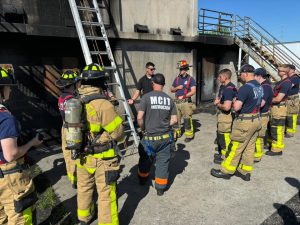
For those who may view new technologies with skepticism, fearing an erosion of traditional skills or the “old ways,” it’s vital to frame these advancements correctly. They are not meant to replace the courage, judgment, or skill of the individual firefighter. Instead, they are intended to augment these inherent qualities, to provide better information, to enhance safety margins, and to increase the odds of a successful outcome. It’s about using the best means available to achieve our timeless, unwavering ends.
The Unchanging Heart, The Evolving Hand
The fire service will undoubtedly continue to evolve. Challenges will emerge, and new solutions will be developed. But through it all, the core values – Courage, Duty, Sacrifice, Brotherhood/Sisterhood – will remain the unwavering compass that guides us. Our task is to ensure that as our hands become equipped with increasingly sophisticated tools, our hearts remain steadfastly committed to these enduring principles. It’s about ensuring that the steel of modern innovation perfectly complements, supports, and amplifies the unshakeable spirit that has always defined the firefighter. Because ultimately, it’s that spirit, empowered by the best our modern world can offer, that will continue to answer the call.
MissionCIT provides Fire Department Strategic Planning to help organizations enhance capabilities, implement best practices, and better serve their community. We offer tailored strategic plans developed through comprehensive assessments, stakeholder engagement, and collaborative visioning to create a clear roadmap for the future. MissionCIT’s services encompass goal setting, action planning, implementation support, and ongoing evaluation, addressing key areas like service delivery, emergency response, training, and resource management. By partnering with MissionCIT, Fire Departments can develop a strategic plan that positions them for long-term success and enables them to better serve their communities.
Email us at [email protected]
Or call us at +1 203-649-5090